http://news.scotsman.com/health.cfm?id=489052006
Since hands are a primary manner in which disease is spread, the recommendation is that in pandemic we should stop shaking hands.
Thursday, March 30, 2006


Wednesday, March 29, 2006
First Vaccine attempt not too promising
The first real attempt at creating and stockpiling a bird flu vaccine had some difficulties. It produced an immune response in only about half of those who received it. So more of the vaccine would be needed. That reduces the number of people who could be served in a pandemic. The current version is already outdated as the main virus has changed. Scientists are working on the newer virus. And of course, no one knows if it would be of much use against the virus that would be the mutated form which would spread from person to person.
The good news is that it seemed very safe even in very high doses.
"These findings mean there is only enough H5N1 vaccine now in the U.S. stockpile to protect about 4 million Americans in a pandemic, National Institute of Allergy and Infectious Diseases Director Dr. Anthony Fauci said. These would likely be key health-care workers and people working to make the vaccine.
Everyone else would have to wait while a pandemic spreads, relying on public-health measures such as social distancing -- meaning closing businesses, schools and using masks, gloves and other protective equipment -- in the meantime."
http://news.yahoo.com/s/ap/20060330/ap_on_he_me/bird_flu_vaccine
http://bird-flu-symptom.info/news/article/can-we-fend-off-bird-flu/
http://birdflurss.com/index.php?id=357&PHPSESSID=ae74fe0bb8eebc389f9782c038d6f086
The good news is that it seemed very safe even in very high doses.
"These findings mean there is only enough H5N1 vaccine now in the U.S. stockpile to protect about 4 million Americans in a pandemic, National Institute of Allergy and Infectious Diseases Director Dr. Anthony Fauci said. These would likely be key health-care workers and people working to make the vaccine.
Everyone else would have to wait while a pandemic spreads, relying on public-health measures such as social distancing -- meaning closing businesses, schools and using masks, gloves and other protective equipment -- in the meantime."
http://news.yahoo.com/s/ap/20060330/ap_on_he_me/bird_flu_vaccine
http://bird-flu-symptom.info/news/article/can-we-fend-off-bird-flu/
http://birdflurss.com/index.php?id=357&PHPSESSID=ae74fe0bb8eebc389f9782c038d6f086
Tuesday, March 28, 2006
Schools Should Make Plans
"In North Carolina on Tuesday, Education Secretary Margaret Spellings joined Health and Human Services Secretary Mike Leavitt to encourage schools to prepare. Spellings said schools must be aware that they may have to close their buildings — or that their schools may need to be used as makeshift hospitals, quarantine sites or vaccination centers."
"Federal health leaders say it is not alarmist or premature for schools to make preparations, such as finding ways to teach kids even if they’ve all been sent home."
"At the college level, the American Council on Education, a higher education umbrella group, has alerted thousands of college presidents about the need to prepare for bird flu.
http://www.msnbc.msn.com/id/11958162/
"Federal health leaders say it is not alarmist or premature for schools to make preparations, such as finding ways to teach kids even if they’ve all been sent home."
"At the college level, the American Council on Education, a higher education umbrella group, has alerted thousands of college presidents about the need to prepare for bird flu.
Federal health leaders have advised each college to establish a pandemic response team and plan for outbreak scenarios that could close or quarantine their campuses."
http://www.msnbc.msn.com/id/11958162/
NYT articles
Here are some bird flu aritcles. Especially ineresting is the Denise Grady video on Bird Flu. Click on video: key facts on bird flu. Note there are two parts, so let it load twice. Thanks Ann for this input.
NY Times articles
NY Times articles
Emergency Survival Lists
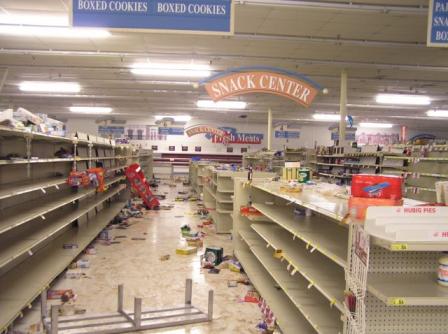
This list is a bit longer than your government's. Secretary of Health and Human Services suggested maybe an extra can of tuna fish under youre bed each week might be a hedge against pandemic. But a skim might jog some ideas for those of you who are stockpiling. Somewhere in between the two lists is one that should meet your comfort zone. For items that don't store for years, I've taken to thinking about sale prices and also cycling that stuff through the local food pantry if no emergency develops.
(I'll collect and add lists to the bottom as I find them.)
Survival .com lists:
We get lots of requests from folks who are stocking up on
supplies and wonder what kind of items they should be
including. The following items, garnered from postings on
the avianflutalk forum should prove helpful if you're still
working on your list.
========================================
100 Items to Disappear First ...from Muskrat
========================================
1. Generators (Good ones cost dearly. Gas storage, risky.
Noisy...target of
thieves; maintenance etc.)
2. Water Filters/Purifiers
3. Portable Toilets
4. Seasoned Firewood. Wood takes about 6 - 12 months to
become dried, for home
uses.
5. Lamp Oil, Wicks, Lamps (First Choice: Buy CLEAR oil. If
scarce, stockpile
ANY!)
6. Coleman Fuel. Impossible to stockpile too much.
7. Guns, Ammunition, Pepper Spray, Knives, Clubs, Bats &
Slingshots.
8. Hand-can openers, & hand egg beaters, whisks.
9. Honey/Syrups/white, brown sugar
10. Rice - Beans - Wheat
11. Vegetable Oil (for cooking) Without it food burns/must
be boiled etc.,)
12. Charcoal, Lighter Fluid (Will become scarce suddenly)
13. Water Containers (Urgent Item to obtain.) Any size.
Small: HARD CLEAR
PLASTIC ONLY - note - food grade if for drinking.
16. Propane Cylinders (Urgent: Definite shortages will
occur.
17. Survival Guide Book.
18. Mantles: Aladdin, Coleman, etc. (Without this item,
longer-term lighting is
difficult.)
19. Baby Supplies: Diapers/formula. ointments/aspirin, etc.
20. Washboards, Mop Bucket w/wringer (for Laundry)
21. Cookstoves (Propane, Coleman & Kerosene)
22. Vitamins
23. Propane Cylinder Handle-Holder (Urgent: Small canister
use is dangerous
without this item)
24. Feminine Hygiene/Haircare/Skin products.
25. Thermal underwear (Tops & Bottoms)
26. Bow saws, axes and hatchets, Wedges (also, honing oil)
27. Aluminum Foil Reg. & Heavy Duty (Great Cooking and
Barter Item)
28. Gasoline Containers (Plastic & Metal)
29. Garbage Bags (Impossible To Have Too Many).
30. Toilet Paper, Kleenex, Paper Towels
31. Milk - Powdered & Condensed (Shake Liquid every 3 to 4
months)
32. Garden Seeds (Non-Hybrid) (A MUST)
33. Clothes pins/line/hangers (A MUST)
34. Coleman's Pump Repair Kit
35. Tuna Fish (in oil)
36. Fire Extinguishers (or..large box of Baking Soda in
every room)
37. First aid kits
38. Batteries (all sizes...buy furthest-out for Expiration
Dates)
39. Garlic, spices & vinegar, baking supplies
40. Big Dogs (and plenty of dog food)
41. Flour, yeast & salt
42. Matches. {"Strike Anywhere" preferred.) Boxed, wooden
matches will go first
43. Writing paper/pads/pencils, solar calculators
44. Insulated ice chests (good for keeping items from
freezing in Wintertime.)
45. Workboots, belts, Levis & durable shirts
46. Flashlights/LIGHTSTICKS & torches, "No. 76 Dietz"
Lanterns
47. Journals, Diaries & Scrapbooks (jot down ideas,
feelings, experience;
Historic Times)
48. Garbage cans Plastic (great for storage, water,
transporting - if with
wheels)
49. Men's Hygiene: Shampoo, Toothbrush/paste,
Mouthwash/floss, nail clippers,
etc
50. Cast iron cookware (sturdy, efficient)
51. Fishing supplies/tools
52. Mosquito coils/repellent, sprays/creams
53. Duct Tape
54. Tarps/stakes/twine/nails/rope/spikes
55. Candles
56. Laundry Detergent (liquid)
57. Backpacks, Duffel Bags
58. Garden tools & supplies
59. Scissors, fabrics & sewing supplies
60. Canned Fruits, Veggies, Soups, stews, etc.
61. Bleach (plain, NOT scented: 4 to 6% sodium hypochlorite)
62. Canning supplies, (Jars/lids/wax)
63. Knives & Sharpening tools: files, stones, steel
64. Bicycles...Tires/tubes/pumps/chains, etc
65. Sleeping Bags & blankets/pillows/mats
66. Carbon Monoxide Alarm (battery powered)
67. Board Games, Cards, Dice
68. d-con Rat poison, MOUSE PRUFE II, Roach Killer
69. Mousetraps, Ant traps & cockroach magnets
70. Paper plates/cups/utensils (stock up, folks)
71. Baby wipes, oils, waterless & Antibacterial soap (saves
a lot of water)
72. Rain gear, rubberized boots, etc.
73. Shaving supplies (razors & creams, talc, after shave)
74. Hand pumps & siphons (for water and for fuels)
75. Soysauce, vinegar, bullions/gravy/soupbase
76. Reading glasses
77. Chocolate/Cocoa/Tang/Punch (water enhancers)
78. "Survival-in-a-Can"
79. Woolen clothing, scarves/ear-muffs/mittens
80. Boy Scout Handbook, / also Leaders Catalog
81. Roll-on Window Insulation Kit (MANCO)
82. Graham crackers, saltines, pretzels, Trail mix/Jerky
83. Popcorn, Peanut Butter, Nuts
84. Socks, Underwear, T-shirts, etc. (extras)
85. Lumber (all types)
86. Wagons & carts (for transport to and from)
87. Cots & Inflatable mattress's
88. Gloves: Work/warming/gardening, etc.
89. Lantern Hangers
90. Screen Patches, glue, nails, screws,, nuts & bolts
91. Teas
92. Coffee
93. Cigarettes
94. Wine/Liquors (for bribes, medicinal, etc,)
95. Paraffin wax
96. Glue, nails, nuts, bolts, screws, etc.
97. Chewing gum/candies
98. Atomizers (for cooling/bathing)
99. Hats & cotton neckerchiefs
100. Goats/chickens
========================================
Libby's List
========================================
1. table salt
2. broth
3. baking soda
4. sugar
5. caffeinated tea
6. aseptic packaged soy and rice milk (as much as
possible)
7. pediasure* (as much as possible)
8. cans of chili
9. yeast
10. splenda (large box from Costco)
11. creamer
12. pasta
13. canned potatoes
14. juice (juice boxes and other)
15. applesauce
16. pancake mix
17. syrup
18. “chicken” noodle soup
19. canned fruit
20. cocoa (packets 6 boxes; baking cocoa 3)
21. coffee (as much as possible)
22. lentils
23. flour
24. powdered creamer
25. spaghetti sauce
26. canned tomatoes
27. macaroni and cheese
28. tofu
29. self-rising flour
30. canned refried beans
31. jello
32. gingerale
33. Gatorade
34. cream of wheat
35. saltines
36. nuts
37. canned salmon
38. canned tuna
39. sauerkraut
40. veggie bacon
More from Libby:
Here's my OTC meds list. It's even more individualized than
the food list as we're looking at alternative remedies for
high blood pressure, asthma, and depression (just in case we
run out of meds)..... Disclaimer: I'm not recommending any
thing to anybody. This is just what we are personally
getting.
1. Extra Strength
2. Robitussin
3. Pediacare
4. Pain Patches
5. Rubbing Alcohol
6. Kids’ Tylenol
7. Astralagus/Immune system boosters
8. Pediatric Electrolytes
9. mucinex
10. chloraseptic throat spray
11. masks
12. Benadryl (25 mg + pediatric dose)
13. Primatene
14. valerian (only as needed for relaxant) High Blood
Pressure
15. garlic High Blood Pressure
16. Hawthorn Tea High Blood Pressure
17. daily calcium (800 mg) High Blood Pressure
18. Magnesium (300 mg) High Blood Pressure
19. Essential oils: to help w/ sleep basil, clary,
jasmine, rose, chamomile depression
20. B complex (50 mg, good for asthma too) depression
21. folic acid (400 mcg daily) depression
22. s-adenosylmethionine (800 mg bid) depression
23. more essential oils: eucalyptus, lavender, rosemary
asthma
24. homeopathic remedy for restlessness and anxiety
arsenicum album (30 c prn)
25. tea tree oil
26. lemon oil
27. peppermint oil
28. goldenseal/Echinacea
29. flu homeopathic remedies: gelsemium, bryonia, rhus
toxicodendron, eupatorium perfoliatum
30. medicinal teas
31. dry mustard
32. vit E, C (x2), A (25-50,000 i.u.), zinc supplements,
multi (x2)
33. monistat
34. vapor bath
35. Tums EX
36. ibuprofen
37. bed pan
38. cough patches
39. pepto bismol
40. aspirin
41. Vaseline
42. humidifier and filters
43. vicks
44. immodium
Here's a list of miscellaneous items.....
1. razors
2. shaving cream
3. peppermints
4. shampoo/conditioner
5. kid shampoo
6. lotion
7. next size clothing for kids , including shoes and
outerwear
8. playdoh
9. markers
10. paint (for kids)
11. lamp oil
12. pull-ups/ diapers
13. wipes
14. Kleenex
15. pads
16. tampons
17. paper towels
18. cleaning supplies
19. laundry detergent
20. cat food
21. litter
22. handkerchiefs
23. Clorox wipes
24. chuks
25. seeds
26. flashlights
27. Clorox bleach
28. toilet paper
29. garbage bags
30. paper plates, etc.
31. dishwasher detergent
32. dish soap
33. toothbrushes
34. toothpaste
35. floss
36. bottled water
37. Lysol spray
38. batteries
39. swiffer
40. duct tape
41. packing tape
42. long matches
========================================
Emergency Pantry: The List ...from worriedlilchic
========================================
Baking mixes (Pie crust mix plus canned pie filling
=cobbler)
Baking powder
Baking soda
Barley
Bay leaves (delicious in beans, and insects avoid foods like
flour with a bay leaf stored inside the bag)
Beans-dry
Bottled drinks and juices (not refrigerated type)
Brown Sugar
Bullion, concentrated broth
Butter flavoring, like Molly McButter. Freeze for storage if
you can.
Candy
Canned beans
Canned broth
Canned chicken breast
Canned chili
Canned diced tomatoes, other tomato products, and sauces
Canned French fried onions for green bean casserole
Canned fruit
Canned milk, evaporated milk
Canned pie filling (don't overlook, great item)
Canned pumpkin
Canned Salmon
Canned soups
Canned stew
Canned sweet potatoes
Canned Tuna
Canned veggies
Cans of lemonade mix, other canned dry drink mixes
Cheese dips in jars
Cheese soups, like cheddar, broccoli cheese, and jack cheese
Chinese food ingredients
Chocolate bars
Chocolate chips
Chocolate syrup, strawberry syrup squeeze bottles (about
that dry milk, again)
Coffee filters (also for straining silt out of water)
Corn Masa de Harina or corn tortilla mix
Corn meal
Corn starch for thickening
Cream of Wheat
Cream soups (good for flavoring rice & pasta, too)
Crisco
Dried eggs
Dried fruit
Dried onion (big containers at warehouse stores)
Dried soups
Dry cocoa
Dry coffee creamer (big sealed cans, many uses including
making dry milk taste better)
Dry milk powder
Dry Mustard
Flour, self rising flour Flour tortilla mix for flour
tortillas, wraps, and flatbread
Garlic powder
Granola bars (not great shelf life)
Hard candy
Honey (also reputed to reduce viral load in throat and
esophagus)
Hot chocolate mix
Instant coffee if you drink it, or coffee and a manual drip
cone or similar
Instant mashed potatoes
Jarred or canned spaghetti sauce
Jarred peppers
Jellies and Jams
Jerky
Ketchup
Kool Aid
Lard, Manteca (good in beans, substitute for bacon or salt
pork, tortilla making, many other uses)
Large packages dry pasta, thinner type saves fuel
Marshmallow cream
Marshmallows
Mayo packets from warehouse store, if you must, not really a
good value.
Mexican food ingredients
Mustard
Nestle Table Cream (substitute for sour cream, cream, or
half-and-half) in lots of ethnic stores, including British)
Nuts (freeze if you have room)
Oatmeal
Oil (Shelf life not great, freeze if you have room)
Olive oil
Olives, green and black
Onion powder
Packaged bread crumbs
Pancake mix, one step, and other mixes that already have the
eggs in them
Parmesan
Peanut butter, nut butters
Pepper
Pet food
Pickles, relish (not refrigerator case type)
Powdered sugar
Power bars
Raisins
Ramen
Ravioli or any canned pasta you can stand
Real butter or favorite margarine-keep frozen until disaster
if you can. Butter keeps a long time in cool temps)
Rice (cheap and filling)
Salsa and hot sauces (Franks Hot Sauce!)
Salt
Spam or Treet :( !
Spices and herbs your family likes
Stovetop Dressing mix
Sugar
Summer sausage ( cheaper around holidays)
Sweetened condensed milk
Syrups
Tea
Trail mix
Ultra pasteurized milk (expensive)
Vanilla (improves dry milk, too)
Velveeta (watch carton date, freeze for storage if possible)
Vienna sausage
Yeast, if you think you would use it. May be frozen.
Baby food
Pet food
*******************************
SURVIVAL GROCERY LIST
This list probably contains some items that you usually try to avoid. A lady checking me out in the grocery store noticed that I was buying a lot of sugar and flour (on sale for a good price). She haughtily informed me her children do not eat sugar, or much flour. I asked her what her kids would eat if the food supply were interrupted, like in hurricane Katrina. She said they would eat fresh vegetables. I wonder where she thought the fresh vegetables would come from?
Try to "rotate" a decent supply of food and still always have plenty on hand in case of an emergency. But many of these items have a very long shelf life, and can be used strictly as emergency storage. This list is designed for some variety, so that the kids and teens in our "pod" don't meltdown from boredom. No one can tell you how much to buy, but try to work your way toward a three month supply.
Of course, you probably won't go out and buy all of this. Realistically, if you had to, you could purchase only bulk size bags of rice, dried beans, flour, shortening, possibly corn, along with some source of Vitamin C. You could last a very long time for very little money. For very basic survival, we would recommend that you have your water purifier, cooking supplies, and a way to stay warm before an elaborate variety of food- but better food (and some games) will be a real help in an extended "lock-down".
Emergency Pantry: The List
Baking mixes (Pie crust mix plus canned pie filling =cobbler)
Baking powder
Baking soda
Barley
Bay leaves (delicious in beans, and insects avoid foods like flour with a bay leaf stored inside the bag)
Beans-dry
Bottled drinks and juices (not refrigerated type)
Brown Sugar
Bullion, concentrated broth
Butter flavoring, like Molly McButter. Freeze for storage if you can.
Candy
Canned beans
Canned broth
Canned chicken breast
Canned chili
Canned diced tomatoes, other tomato products, and sauces
Canned French fried onions for green bean casserole
Canned fruit
Canned milk, evaporated milk
Canned pie filling (don't overlook, great item)
Canned pumpkin
Canned Salmon
Canned soups
Canned stew
Canned sweet potatoes
Canned Tuna
Canned veggies
Cans of lemonade mix, other canned dry drink mixes
Cheese dips in jars
Cheese soups, like cheddar, broccoli cheese, and jack cheese
Chinese food ingredients
Chocolate bars
Chocolate chips
Chocolate syrup, strawberry syrup squeeze bottles (about that dry milk, again)
Coffee filters (also for straining silt out of water)
Corn Masa de Harina or corn tortilla mix
Corn meal
Corn starch for thickening
Cream of Wheat
Cream soups (good for flavoring rice & pasta, too)
Crisco
Dried eggs
Dried fruit
Dried onion (big containers at warehouse stores)
Dried soups
Dry cocoa
Dry coffee creamer (big sealed cans, many uses including making dry milk taste better)
Dry milk powder
Dry Mustard
Flour, self rising flour Flour tortilla mix for flour tortillas, wraps, and flatbread
Garlic powder
Granola bars (not great shelf life)
Hard candy
Honey (also reputed to reduce viral load in throat and esophagus)
Hot chocolate mix
Instant coffee if you drink it, or coffee and a manual drip cone or similar
Instant mashed potatoes
Jarred or canned spaghetti sauce
Jarred peppers
Jellies and Jams
Jerky
Ketchup
Kool Aid
Lard, Manteca (good in beans, substitute for bacon or salt pork, tortilla making, many other uses)
Large packages dry pasta, thinner type saves fuel
Marshmallow cream
Marshmallows
Mayo packets from warehouse store, if you must, not really a good value.
Mexican food ingredients
Mustard
Nestle Table Cream (substitute for sour cream, cream, or half-and-half) in lots of ethnic stores, including British)
Nuts (freeze if you have room)
Oatmeal
Oil (Shelf life not great, freeze if you have room)
Olive oil
Olives, green and black
Onion powder
Packaged bread crumbs
Pancake mix, one step, and other mixes that already have the eggs in them
Parmesan
Peanut butter, nut butters
Pepper
Pet food
Pickles, relish (not refrigerator case type)
Powdered sugar
Power bars
Raisins
Ramen
Ravioli or any canned pasta you can stand
Real butter or favorite margarine-keep frozen until disaster if you can. Butter keeps a long time in cool temps)
Rice (cheap and filling)
Salsa and hot sauces (Franks Hot Sauce!)
Salt
Spam or Treet :( !
Spices and herbs your family likes
Stovetop Dressing mix
Sugar
Summer sausage ( cheaper around holidays)
Sweetened condensed milk
Syrups
Tea
Trail mix
Ultra pasteurized milk (expensive)
Vanilla (improves dry milk, too)
Velveeta (watch carton date, freeze for storage if possible)
Vienna sausage
Yeast, if you think you would use it. May be frozen.
Baby food
Pet food
List from Kansas:
The Kansas Department of Health and Environment has been preparing for several years to respond to any possible attack that could threaten the public health and safety of the state’s residents. Now, a $1.1 million grant will help the organization and the state’s other emergency response organizations prepare to fight pandemic flu.
What is pandemic flu?
Pandemic flu is a virulent human flu that causes a global outbreak, or pandemic, of serious illness. Because there is little natural immunity, the disease can spread easily from person to person. Currently there is no pandemic flu.
Source: ksprepared.org.
How can you prepare yourself and your family?
Store a supply of water and food. During a pandemic, if you cannot get to a store, or if stores are out of supplies, it will be important for you to have extra supplies on hand. This can be useful in other types of emergencies, such as power outages and disasters.
- Have any nonprescription drugs and other health supplies on hand, including pain relievers, stomach remedies, cough and cold medicines, fluids with electrolytes, and vitamins.
- Talk with family members and loved ones about how they would be cared for if they got sick, or what will be needed to care for them in your home.
- Teach your children to stay away from others as much as possible if they are sick. Stay home from work and school if sick.
Items to have on hand for an extended stay at home:
Food and non-perishables:
- Ready-to-eat canned meats, fruits, vegetables, and soups
- Protein or fruit bars
- Dry cereal or granola
- Peanut butter or nuts
- Dried fruit
- Crackers
- Canned juices
- Bottled water
- Canned or jarred baby food and formula
- Pet food
Medical, health and emergency supplies:
- Prescribed medical supplies such as glucose and blood-pressure monitoring equipment
- Soap and water, or alcohol-based hand wash
- Medicines for fever, such as acetaminophen or ibuprofen
- Thermometer
- Anti-diarrheal medication
- Vitamins
- Fluids with electrolytes
- Cleansing agent/soap
- Flashlight
- Batteries
- Portable radio
- Manual can opener
- Garbage bags
- Tissues, toilet paper, disposable diapers
We also have a list posted on our website that you can
access by going to http://www.survivetheflu.com/list.html
Saturday, March 25, 2006
Calls for scepticism
"Traditional skepticism is missing in discussions of pandemic flu."
Here is a call for discussion which again argues that bird flu talk has raised fears unnecessarily. I don't experience that as most of the people I talk to are not afraid or even aware.
But it wold be nice if this writer is right and there is nothing much to worry about:
http://www.csmonitor.com/2006/0321/p09s01-coop.html
Here is a call for discussion which again argues that bird flu talk has raised fears unnecessarily. I don't experience that as most of the people I talk to are not afraid or even aware.
But it wold be nice if this writer is right and there is nothing much to worry about:
http://www.csmonitor.com/2006/0321/p09s01-coop.html
Feds don't want another Katrina
At a bird flu summit in Richmond, Va., the Health and Human Services Secretary had a warning for local officials.
Secretary Mike Leavitt said the federal government can not be relied upon to protect states from a potential flu pandemic.
Leavitt said communities that assume the federal government will come to the rescue will be wrong.
The secretary made his remarks at a summit with local governments, schools, and health and emergency services officials.
Friday, March 24, 2006
Georgia(the country) over reacts
http://www.nytimes.com/2006/03/18/international/europe/18georgia.html?_r=1&oref=slogin
Here is clear over reaction. No balance.
Here is clear over reaction. No balance.
Summit remarks
http://bird-flu-symptom.info/news/summit-urges-flu-readiness-without-alarmism/
The trick is to "walk that balance beam between complacency and alarmism."
The trick is to "walk that balance beam between complacency and alarmism."
Thursday, March 23, 2006
Notes from Wall Street
"How stocks do this time depends on what plays out:
•Best-case scenario. Markets will cheer if the virus never becomes transmissible from human to human. In that case, Luskin says, investors can make money investing in companies that make vaccines and testing therapies.
Examples, he says, include Gilead Sciences, the inventor of the anti-viral drug Tamiflu, which is being stockpiled by governments around the globe; Hemispherx Biopharma, which is seeking final approval for its anti-viral drug Ampligen; and Sinovac Biotech, a Chinese vaccine maker.
•SARS-like scenario. A mild pandemic that is contained could add up to a buying opportunity, says Citigroup’s Heldman. Many of the stocks likely to decline from flu-related panic selling, such as airlines (Continental), hotels (Hilton) and shopping malls (Simon Property) would likely enjoy rebounds.
•Worst-case scenario. That’s if a full pandemic hits, the economy shuts down, people die. Airlines, hotels and other businesses that involve travel or crowds will fall sharply. Citigroup says shares of drug companies, vaccine makers, and hospital and health care stocks (Tenet, Community Hospitals) will rise. Home entertainment providers, such as Blockbuster, should fare well. So, too, could safe investments such as Treasury bonds and cash.
But, “The losers will come under severe pressure,” says Heldman. Adds Luskin: “It will be like Hurricane Katrina on a global scale.”
Woody Dorsey, behavioral market strategist at Market Semiotics, says the fact that the virus can spread quickly and cause widespread havoc means it is likely to be more damaging to the economy and financial markets than a terrorist attack or severe hurricane.
“We’re moving into a ‘bio-era’ where computer viruses, physical viruses and fear move around the world quickly,” he says. “It’s the downside of globalization.”
For more of the article..................http://bird-flu-symptom.info/
•Best-case scenario. Markets will cheer if the virus never becomes transmissible from human to human. In that case, Luskin says, investors can make money investing in companies that make vaccines and testing therapies.
Examples, he says, include Gilead Sciences, the inventor of the anti-viral drug Tamiflu, which is being stockpiled by governments around the globe; Hemispherx Biopharma, which is seeking final approval for its anti-viral drug Ampligen; and Sinovac Biotech, a Chinese vaccine maker.
•SARS-like scenario. A mild pandemic that is contained could add up to a buying opportunity, says Citigroup’s Heldman. Many of the stocks likely to decline from flu-related panic selling, such as airlines (Continental), hotels (Hilton) and shopping malls (Simon Property) would likely enjoy rebounds.
•Worst-case scenario. That’s if a full pandemic hits, the economy shuts down, people die. Airlines, hotels and other businesses that involve travel or crowds will fall sharply. Citigroup says shares of drug companies, vaccine makers, and hospital and health care stocks (Tenet, Community Hospitals) will rise. Home entertainment providers, such as Blockbuster, should fare well. So, too, could safe investments such as Treasury bonds and cash.
But, “The losers will come under severe pressure,” says Heldman. Adds Luskin: “It will be like Hurricane Katrina on a global scale.”
Woody Dorsey, behavioral market strategist at Market Semiotics, says the fact that the virus can spread quickly and cause widespread havoc means it is likely to be more damaging to the economy and financial markets than a terrorist attack or severe hurricane.
“We’re moving into a ‘bio-era’ where computer viruses, physical viruses and fear move around the world quickly,” he says. “It’s the downside of globalization.”
For more of the article..................http://bird-flu-symptom.info/
Wednesday, March 22, 2006
In the US cats may be the culprits
"At that point, the population that most worries the world's infectious disease trackers is not so much the nation's human population -- the virus has yet to evolve into a form that easily infects humans. It is not even domestic poultry, since most U.S. commercial bird flocks are sealed away in covered buildings, never coming in contact with wild birds.
What keeps some scientists up at night is the 75 million household cats, plus the 40 to 60 million feral cats roaming the countryside, some of which are sure to eat infected birds. "If it gets into cats in this country it will spread like crazy," warns Larry Glickman, a professor of epidemiology at Purdue University School of Veterinarian Medicine. "Many of these cats sleep in bed with their owners. The potential that they could spread it to humans is very large."
http://www.businessweek.com/technology/content/mar2006/tc20060321_328175.htm
What keeps some scientists up at night is the 75 million household cats, plus the 40 to 60 million feral cats roaming the countryside, some of which are sure to eat infected birds. "If it gets into cats in this country it will spread like crazy," warns Larry Glickman, a professor of epidemiology at Purdue University School of Veterinarian Medicine. "Many of these cats sleep in bed with their owners. The potential that they could spread it to humans is very large."
http://www.businessweek.com/technology/content/mar2006/tc20060321_328175.htm
Why the Current Flu is not human to human
"Ordinary flu viruses spread when an infected person coughs or sneezes, blasting out tiny droplets carrying the germ to others. For that to happen, the virus has to be perched in the right places to be ejected by a cough or sneeze. The new work suggests H5N1, by contrast, infects humans too low in the respiratory tract for that to occur."
http://abcnews.go.com/Health/wireStory?id=1755512
http://news.yahoo.com/s/ap/20060322/ap_on_he_me/bird_flu_virus
http://abcnews.go.com/Health/wireStory?id=1755512
http://news.yahoo.com/s/ap/20060322/ap_on_he_me/bird_flu_virus
Tuesday, March 21, 2006
Monday, March 20, 2006
Why H5N1 is such a Killer
here is a little more detail on how this flu kills:
"Why this new virus is so deadly is not entirely understood, although scientists have hints.
Influenza viruses invade cells lining the throat and windpipe, where they replicate and cause inflammation but are eventually suppressed by the immune system. In some cases, the microbe invades the lungs and leads to viral or bacterial pneumonia. Some H5N1 strains, however, have two features that make them even more dangerous.
Normally, the flu viruses can replicate only in the throat and lungs. With H5N1, however, the protein that triggers replication can be activated in many other organs, including the liver, intestines and brain. What is usually a respiratory infection can suddenly become a whole-body infection. Simultaneously, a second "defect" in the virus unleashes a storm of immune-system chemicals called cytokines. In normal amounts, cytokines help fight microbial invaders. In excessive amounts, they can cause lethal damage to the body's own tissues."
full article: http://www.washingtonpost.com/wp-dyn/content/article/2005/08/22/AR2005082201365.html
"Why this new virus is so deadly is not entirely understood, although scientists have hints.
Influenza viruses invade cells lining the throat and windpipe, where they replicate and cause inflammation but are eventually suppressed by the immune system. In some cases, the microbe invades the lungs and leads to viral or bacterial pneumonia. Some H5N1 strains, however, have two features that make them even more dangerous.
Normally, the flu viruses can replicate only in the throat and lungs. With H5N1, however, the protein that triggers replication can be activated in many other organs, including the liver, intestines and brain. What is usually a respiratory infection can suddenly become a whole-body infection. Simultaneously, a second "defect" in the virus unleashes a storm of immune-system chemicals called cytokines. In normal amounts, cytokines help fight microbial invaders. In excessive amounts, they can cause lethal damage to the body's own tissues."
full article: http://www.washingtonpost.com/wp-dyn/content/article/2005/08/22/AR2005082201365.html
Flu and Religion
Bird Flu Affect on a Buddhist rite:
http://www.washingtonpost.com/wp-dyn/content/article/2006/03/15/AR2006031502198.html
http://www.washingtonpost.com/wp-dyn/content/article/2006/03/15/AR2006031502198.html
The Way We Raise chickens creates disease
Big chicken farms gave birds the flu
Sunday March 19th 2006, 1:12 pm
Filed under: Article
Comments?
The industrialization of poultry raising is the culprit, says WENDY ORENT, and migratory birds are usually victims, not carriers
Chicken has never been cheaper. A whole one can be bought for little more than the price of a cup of coffee from Starbucks. But the industrial farming methods that make ever-cheaper chicken possible may also have created the lethal strain of bird flu virus, H5N1, that threatens to set off a global pandemic.
According to Earl Brown, a University of Ottawa flu virologist, lethal bird flu is entirely man-made, first evolving in commercially produced poultry in Italy in 1878. The highly pathogenic H5N1 is descended from a strain that first appeared in Scotland in 1959.
People have been living with backyard flocks of poultry since the dawn of civilization. But it wasn’t until poultry production became modernized, and birds were raised in much larger numbers and concentrations, that a virulent bird flu evolved.
When birds are packed close together, any brakes on virulence are off. Birds struck with a fatal illness can easily pass the disease to others, through direct contact or through fecal matter, and lethal strains can evolve. Somehow, the virus that arose in Scotland found its way to China, where, as H5N1, it has been raging for more than a decade.
Industrial poultry-raising moved from the West to Asia in the last few decades and has begun to supplant backyard flocks there. According to a recent report by Grain, an international nongovernmental organization, chicken production in Southeast Asia has jumped eightfold in 30 years to about 2.7 million tons. The Chinese annually produce about 10 million tons of chickens. Some of China’s factory farms raise 5 million birds at a time. Charoen Pokphand Group, a huge Thai enterprise that owns a large chunk of poultry production throughout Thailand and China as well as in Indonesia, Cambodia, Vietnam and Turkey, exported about 270 million chickens in 2003 alone.
Since then, the C.P. Group, which styles itself as the “Kitchen of the World,” has suffered enormous losses from bird flu. According to bird-flu expert Gary Butcher of the University of Florida, the company has made a conscientious effort to clean up. But the damage has been done.
Virulent bird flu has left the factories and moved into the farmyards of the poor, where it has had devastating effects. Poultry may represent a family’s greatest wealth. The birds often are not eaten until they die of old age or illness. The cost of the virus to people who have raised birds for months or years is incalculable and the compensation risible: In Thailand, farmers have been offered one-third of their birds’ value since the outbreak of bird flu.
Sometimes farmers who don’t want to lose their investments illicitly trade their birds across borders. In Nigeria, virus-infected chickens threatened with culling are sold by the poor to even poorer people, who see nothing unusual in eating a sick bird. So the birds — and the bird flu virus — slip away to other villages and other countries.
Some researchers still blame migratory birds for the relentless spread of the bird flu virus. But Martin Williams, a conservationist and bird expert in Hong Kong, contends that wild birds are more often victims than carriers. Last spring, for instance, about 5,000 wild birds died at Qinghai Lake in western China, probably from exposure to disease at commercial poultry farms in the region, according to Grain. The virus now in Turkey and Nigeria is essentially identical to the Qinghai strain.
Richard Thomas of Birdlife International, a global alliance of conservation organizations, and others dispute the idea that wild birds carried the flu virus from Qinghai to Russia and beyond. They point out that the disease spread from Qinghai to southern Siberia during the summer months when birds do not migrate, and that it moved east to west along railway lines, roads and international boundaries — not along migratory flyways.
What evidence there is for migratory birds as H5N1 carriers is contained in a study published in the Proceedings of the National Academy of Sciences. Researchers examined 13,115 wild birds and found asymptomatic bird flu in six ducks from China. Analysis showed that these ducks had been exposed earlier to less virulent strains of H5 and thus were partly immunized before they were infected with H5N1. On this slender basis, coupled with the fact that some domestic ducks infected for experimental purposes don’t get sick, the study’s authors contend that the findings “demonstrate that H5N1 viruses can be transmitted over long distances by migratory birds.”
Even so, the researchers conceded that the global poultry trade, much of which is illicit, plays a far larger role in spreading the virus. The Nigerian government traced its outbreak to the illegal importation of day-old chicks. Illegal trading in fighting cocks brought the virus from Thailand to Malaysia in fall 2005. And it is probable that H5N1 first spread from Qinghai to Russia and Kazakhstan last summer through the sale of contaminated poultry.
But an increasingly hysterical world targets migratory birds. In early February, a flock of geese, too cold and tired to fly, rested on the frozen waters of the Danube Delta in Romania. A group of 15 men set upon them, tossed some into the air, tore off others’ heads and used still-living birds as soccer balls. They said they did this because they feared the bird flu would enter their village through the geese. Many conservationists worry that what happened in Romania is a foreshadowing of the mass destruction of wild birds.
Meanwhile, deadly H5N1 is washing up on the shores of Europe. Brown says the commercial poultry industry, which caused the catastrophe in the first place, stands to benefit most. The conglomerates will more and more dominate the poultry-rearing business.
Some experts insist that will be better for us. Epidemiologist Michael Osterholm at the University of Minnesota, for instance, contends that the “single greatest risk to the amplification of the H5N1 virus, should it arrive in the U.S. through migratory birds, will be in free-range birds … often sold as a healthier food, which is a great ruse on the American public.”
The truly great ruse is that industrial poultry farms are the best way to produce chickens — that Perdue Farms and Tyson Foods and Charoen Pokphand are keeping the world safe from backyard poultry and migratory birds.
But what’s going to be on our tables isn’t the biggest problem. The real tragedy is what’s happened in Asia to people who can’t even afford the cheap industrial chicken. And the real victims of industrially produced, lethal H5N1 have been wild birds, an ancient way of life and the poor of the Earth, for whom a backyard flock has always represented a measure of autonomy and a bulwark against starvation.
Sunday March 19th 2006, 1:12 pm
Filed under: Article
Comments?
The industrialization of poultry raising is the culprit, says WENDY ORENT, and migratory birds are usually victims, not carriers
Chicken has never been cheaper. A whole one can be bought for little more than the price of a cup of coffee from Starbucks. But the industrial farming methods that make ever-cheaper chicken possible may also have created the lethal strain of bird flu virus, H5N1, that threatens to set off a global pandemic.
According to Earl Brown, a University of Ottawa flu virologist, lethal bird flu is entirely man-made, first evolving in commercially produced poultry in Italy in 1878. The highly pathogenic H5N1 is descended from a strain that first appeared in Scotland in 1959.
People have been living with backyard flocks of poultry since the dawn of civilization. But it wasn’t until poultry production became modernized, and birds were raised in much larger numbers and concentrations, that a virulent bird flu evolved.
When birds are packed close together, any brakes on virulence are off. Birds struck with a fatal illness can easily pass the disease to others, through direct contact or through fecal matter, and lethal strains can evolve. Somehow, the virus that arose in Scotland found its way to China, where, as H5N1, it has been raging for more than a decade.
Industrial poultry-raising moved from the West to Asia in the last few decades and has begun to supplant backyard flocks there. According to a recent report by Grain, an international nongovernmental organization, chicken production in Southeast Asia has jumped eightfold in 30 years to about 2.7 million tons. The Chinese annually produce about 10 million tons of chickens. Some of China’s factory farms raise 5 million birds at a time. Charoen Pokphand Group, a huge Thai enterprise that owns a large chunk of poultry production throughout Thailand and China as well as in Indonesia, Cambodia, Vietnam and Turkey, exported about 270 million chickens in 2003 alone.
Since then, the C.P. Group, which styles itself as the “Kitchen of the World,” has suffered enormous losses from bird flu. According to bird-flu expert Gary Butcher of the University of Florida, the company has made a conscientious effort to clean up. But the damage has been done.
Virulent bird flu has left the factories and moved into the farmyards of the poor, where it has had devastating effects. Poultry may represent a family’s greatest wealth. The birds often are not eaten until they die of old age or illness. The cost of the virus to people who have raised birds for months or years is incalculable and the compensation risible: In Thailand, farmers have been offered one-third of their birds’ value since the outbreak of bird flu.
Sometimes farmers who don’t want to lose their investments illicitly trade their birds across borders. In Nigeria, virus-infected chickens threatened with culling are sold by the poor to even poorer people, who see nothing unusual in eating a sick bird. So the birds — and the bird flu virus — slip away to other villages and other countries.
Some researchers still blame migratory birds for the relentless spread of the bird flu virus. But Martin Williams, a conservationist and bird expert in Hong Kong, contends that wild birds are more often victims than carriers. Last spring, for instance, about 5,000 wild birds died at Qinghai Lake in western China, probably from exposure to disease at commercial poultry farms in the region, according to Grain. The virus now in Turkey and Nigeria is essentially identical to the Qinghai strain.
Richard Thomas of Birdlife International, a global alliance of conservation organizations, and others dispute the idea that wild birds carried the flu virus from Qinghai to Russia and beyond. They point out that the disease spread from Qinghai to southern Siberia during the summer months when birds do not migrate, and that it moved east to west along railway lines, roads and international boundaries — not along migratory flyways.
What evidence there is for migratory birds as H5N1 carriers is contained in a study published in the Proceedings of the National Academy of Sciences. Researchers examined 13,115 wild birds and found asymptomatic bird flu in six ducks from China. Analysis showed that these ducks had been exposed earlier to less virulent strains of H5 and thus were partly immunized before they were infected with H5N1. On this slender basis, coupled with the fact that some domestic ducks infected for experimental purposes don’t get sick, the study’s authors contend that the findings “demonstrate that H5N1 viruses can be transmitted over long distances by migratory birds.”
Even so, the researchers conceded that the global poultry trade, much of which is illicit, plays a far larger role in spreading the virus. The Nigerian government traced its outbreak to the illegal importation of day-old chicks. Illegal trading in fighting cocks brought the virus from Thailand to Malaysia in fall 2005. And it is probable that H5N1 first spread from Qinghai to Russia and Kazakhstan last summer through the sale of contaminated poultry.
But an increasingly hysterical world targets migratory birds. In early February, a flock of geese, too cold and tired to fly, rested on the frozen waters of the Danube Delta in Romania. A group of 15 men set upon them, tossed some into the air, tore off others’ heads and used still-living birds as soccer balls. They said they did this because they feared the bird flu would enter their village through the geese. Many conservationists worry that what happened in Romania is a foreshadowing of the mass destruction of wild birds.
Meanwhile, deadly H5N1 is washing up on the shores of Europe. Brown says the commercial poultry industry, which caused the catastrophe in the first place, stands to benefit most. The conglomerates will more and more dominate the poultry-rearing business.
Some experts insist that will be better for us. Epidemiologist Michael Osterholm at the University of Minnesota, for instance, contends that the “single greatest risk to the amplification of the H5N1 virus, should it arrive in the U.S. through migratory birds, will be in free-range birds … often sold as a healthier food, which is a great ruse on the American public.”
The truly great ruse is that industrial poultry farms are the best way to produce chickens — that Perdue Farms and Tyson Foods and Charoen Pokphand are keeping the world safe from backyard poultry and migratory birds.
But what’s going to be on our tables isn’t the biggest problem. The real tragedy is what’s happened in Asia to people who can’t even afford the cheap industrial chicken. And the real victims of industrially produced, lethal H5N1 have been wild birds, an ancient way of life and the poor of the Earth, for whom a backyard flock has always represented a measure of autonomy and a bulwark against starvation.
Sunday, March 19, 2006
Impact on English Racing Pigeons
When I was a teenager I had quitea flock of racing pigeons. Too bad.
Racing pigeons
Sunday March 19th 2006, 10:57 am
Filed under: Article
Racing pigeons ‘face bird flu cull’
A SCIENTIST advising the government on measures to prevent the spread of avian flu in Britain has warned that pigeon fanciers may have to cull their prize birds if pandemic strikes.
Dr Douglas Fleming, director of the Royal College of General Practitioners research unit, said that racing pigeons may have to be slaughtered to prevent a spread of the virus.
Urban pigeon lofts, many of which are close to residential properties, could also have to be cleared and disinfected or destroyed to ensure that people living nearby are not at risk.
His comments follow a warning by ministers that Highland shooting estates could be stopped from releasing game birds into the wild to prevent the spread of the flu. Free-range and organic poultry farmers have been told they will have to confine their flocks in sheds.
The moves are in preparation for the arrival of avian flu in Britain after the disease was confirmed on a French turkey farm last month. It was probably carried there by wild birds whose migratory routes also pass over Britain.
Fleming, a member of the government’s joint committee on flu, fears it is inevitable that the H5N1 strain will arrive here. “If we got to a situation where the virus was widespread throughout the country serious policy decisions would have to be made, which could restrict close contact between birds and humans,” he said.
“If this was the case then the sport of pigeon racing would have to be stopped in this country. If you got a flock of pigeons that were affected, or suspected to be affected, we would have to have a cull.
“It would be the same as the precautions that were taken during the foot and mouth outbreak. You have got to look at whether pigeon fanciers could catch the virus from the bird.
“Also, if a person suffering from normal seasonal flu handles a bird suffering from avian flu, you have the potential for the viruses getting together and a new virus developing. Obviously we need to limit the opportunities for that.”
Fleming is to address a conference on pandemic flu co-organised by NHS Scotland and the Royal College of Physicians of Edinburgh, in the capital later this month. He was involved in attempting to contain Britain’s last flu pandemic in 1969.
“Quite clearly it is only a matter of time before avian flu comes into this country, just the same as it has come into France,” he said. “You cannot stop wild birds from flying across borders and spreading the disease.”
Peter Bryant, general manager of the Royal Pigeon Racing Association, insisted there was a low risk of racing pigeons contracting bird flu.
The pigeon racing season is due to start next weekend and Bryant said voluntary restrictions had been implemented to address concerns of pigeons bringing bird flu into the UK.
“We would normally be racing from France and Belgium but we have taken the pragmatic approach and decided not to go ahead with that in the current climate,” he said.
“If there is an outbreak in the UK we expect to have some restrictions placed on us. We are in regular contact with the government and will implement any advice they give to us.”
Joe Murphy, spokesman for the Scottish National Flying Club, admitted that pigeon fanciers were concerned for the future: “A lot of our members are worried about what will happen if bird flu does arrive here.
“People involved in the sport are not stupid and, if the disease did come, they would want to keep their birds inside. Some champion pigeons can sell for as much as £110,000 and people would not want to take any risks with them.”
A Scottish executive spokeswoman said any gathering of birds could pose a risk.
“In the event of an avian flu outbreak in Scotland, an immediate response would be to withdraw the licence for bird gatherings, therefore including pigeon racing, until the epidemiological situation had been clarified,” she said.
More than 10,000 Scots regularly take part in pigeon fancying with clubs and associations existing from Shetland to the Borders.
By Marc Horne
Racing pigeons
Sunday March 19th 2006, 10:57 am
Filed under: Article
Racing pigeons ‘face bird flu cull’
A SCIENTIST advising the government on measures to prevent the spread of avian flu in Britain has warned that pigeon fanciers may have to cull their prize birds if pandemic strikes.
Dr Douglas Fleming, director of the Royal College of General Practitioners research unit, said that racing pigeons may have to be slaughtered to prevent a spread of the virus.
Urban pigeon lofts, many of which are close to residential properties, could also have to be cleared and disinfected or destroyed to ensure that people living nearby are not at risk.
His comments follow a warning by ministers that Highland shooting estates could be stopped from releasing game birds into the wild to prevent the spread of the flu. Free-range and organic poultry farmers have been told they will have to confine their flocks in sheds.
The moves are in preparation for the arrival of avian flu in Britain after the disease was confirmed on a French turkey farm last month. It was probably carried there by wild birds whose migratory routes also pass over Britain.
Fleming, a member of the government’s joint committee on flu, fears it is inevitable that the H5N1 strain will arrive here. “If we got to a situation where the virus was widespread throughout the country serious policy decisions would have to be made, which could restrict close contact between birds and humans,” he said.
“If this was the case then the sport of pigeon racing would have to be stopped in this country. If you got a flock of pigeons that were affected, or suspected to be affected, we would have to have a cull.
“It would be the same as the precautions that were taken during the foot and mouth outbreak. You have got to look at whether pigeon fanciers could catch the virus from the bird.
“Also, if a person suffering from normal seasonal flu handles a bird suffering from avian flu, you have the potential for the viruses getting together and a new virus developing. Obviously we need to limit the opportunities for that.”
Fleming is to address a conference on pandemic flu co-organised by NHS Scotland and the Royal College of Physicians of Edinburgh, in the capital later this month. He was involved in attempting to contain Britain’s last flu pandemic in 1969.
“Quite clearly it is only a matter of time before avian flu comes into this country, just the same as it has come into France,” he said. “You cannot stop wild birds from flying across borders and spreading the disease.”
Peter Bryant, general manager of the Royal Pigeon Racing Association, insisted there was a low risk of racing pigeons contracting bird flu.
The pigeon racing season is due to start next weekend and Bryant said voluntary restrictions had been implemented to address concerns of pigeons bringing bird flu into the UK.
“We would normally be racing from France and Belgium but we have taken the pragmatic approach and decided not to go ahead with that in the current climate,” he said.
“If there is an outbreak in the UK we expect to have some restrictions placed on us. We are in regular contact with the government and will implement any advice they give to us.”
Joe Murphy, spokesman for the Scottish National Flying Club, admitted that pigeon fanciers were concerned for the future: “A lot of our members are worried about what will happen if bird flu does arrive here.
“People involved in the sport are not stupid and, if the disease did come, they would want to keep their birds inside. Some champion pigeons can sell for as much as £110,000 and people would not want to take any risks with them.”
A Scottish executive spokeswoman said any gathering of birds could pose a risk.
“In the event of an avian flu outbreak in Scotland, an immediate response would be to withdraw the licence for bird gatherings, therefore including pigeon racing, until the epidemiological situation had been clarified,” she said.
More than 10,000 Scots regularly take part in pigeon fancying with clubs and associations existing from Shetland to the Borders.
By Marc Horne
Friday, March 17, 2006
The two sides of the issue
Well, here are the two sides of the issue, one suggesting we need to get ready, the other suggesting everyone seems to be over reacting.
I'd sure be happy if Marc Seigel is right. He seems the only writer on this topic who takes this view of it. I agree with him that people should not panic about eating chicken. In fact, if that brings the price down here on chicken breast, I'll stock up my freezer at the sale price.
I don't like the way Seigel understates the arrival of bird flu here. No one now doubts that the bird to bird version will come. He should not suggest it might not.
And on the issue of whether it will mutate or not and then whether that mutation would be a killer of humans or not. Who knows?
I'm getting ready just in case. But I feel less panic everyday because I get closer to where I have done what I could to increase my odds. Then it is all how the virus cards flop, turn and river.
Panic is rather a waste of energy.
I sure don't see anyone I know overreacting. Where in America is this panic I keep hearing about? I think people are underreacting. And ignoring. Most are just too busy for bird flu at least until it really mutates and becomes something. Well, I can appreciate that.
http://www.abcnews.go.com/WNT/AvianFlu/story?id=1724801&page=1
http://www.boston.com/news/globe/editorial_opinion/oped/articles/2006/03/17/the_cost_of_bird_flu_hysteria/
And a discussion that seeks to balance a little:
http://www.abc.net.au/health/features/birdflu/
I'd sure be happy if Marc Seigel is right. He seems the only writer on this topic who takes this view of it. I agree with him that people should not panic about eating chicken. In fact, if that brings the price down here on chicken breast, I'll stock up my freezer at the sale price.
I don't like the way Seigel understates the arrival of bird flu here. No one now doubts that the bird to bird version will come. He should not suggest it might not.
And on the issue of whether it will mutate or not and then whether that mutation would be a killer of humans or not. Who knows?
I'm getting ready just in case. But I feel less panic everyday because I get closer to where I have done what I could to increase my odds. Then it is all how the virus cards flop, turn and river.
Panic is rather a waste of energy.
I sure don't see anyone I know overreacting. Where in America is this panic I keep hearing about? I think people are underreacting. And ignoring. Most are just too busy for bird flu at least until it really mutates and becomes something. Well, I can appreciate that.
http://www.abcnews.go.com/WNT/AvianFlu/story?id=1724801&page=1
http://www.boston.com/news/globe/editorial_opinion/oped/articles/2006/03/17/the_cost_of_bird_flu_hysteria/
And a discussion that seeks to balance a little:
http://www.abc.net.au/health/features/birdflu/
Subscribe to:
Posts (Atom)
